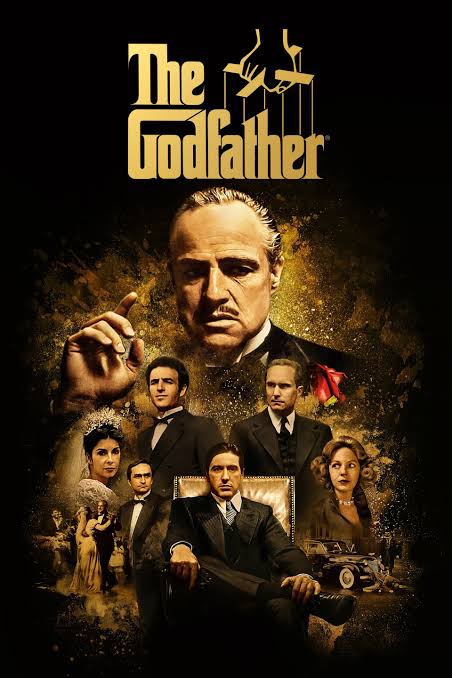
Picture this: my late husband proudly produces his boxed set of The Godfather trilogy and declares, “You’re in for cinematic brilliance.” Now, for films of this epic stature, I need to be in the mood. I need snacks. I need a mental outline of what I am about to endure. I need to prepare. But no—he sends me in blind. By the end of The Godfather Part III, I’m sitting there, mind-numb, wondering why I agreed to this cinematic marathon.
Fast-forward to 2025, and The Godfather is back on screens for another run. And yes, it still matters. Few films have achieved the cultural immortality of this 1972 classic. Directed by Francis Ford Coppola and adapted from Mario Puzo’s bestseller, it arrived at a time when Hollywood was in flux. The old studio system was crumbling, and a bold new generation of directors was reshaping cinema. The Godfather didn’t just breathe new life into Paramount Pictures—it reinvented the gangster genre. This was not mere crime entertainment anymore; it was Shakespeare with a side of cannoli.
Widely hailed as one of the greatest films ever made, it marries classical storytelling with cinematic innovation. Epic themes of power and corruption sit alongside intimate family drama. The result? A film that captures the grandeur of organized crime while showing the quiet, devastating disintegration of a family. Its influence is not just on film—it’scultural. The Mafia entered public consciousness in ways that changed everything, and filmmakers have been trying (and often failing) to catch up ever since.
Narrative Structure
At heart, The Godfather is a family saga. It charts the decline of Don Vito Corleone (Marlon Brando) and the rise of his son Michael (Al Pacino). Unlike earlier gangster films that ended with the hero’s downfall, this unfolds like a Greek tragedy: the rise of power is both inevitable and horrifying.
It starts with Amerigo Bonasera pleading for justice—a perfect intro that at once shows the Corleones as arbiters of their own law. Coppola juxtaposes the private shadows of Vito’s office with the bright chaos of a wedding outside. Private versus public becomes a recurring motif.
Michael starts the film insisting, “That’s my family, Kay, not me.” By the end, he has embraced his destiny as Don, having betrayed his own values and alienated everyone close to him. Coppola’s slow, meticulous pacing allows this transformation to feel organic—and devastating. He doesn’t rush the audience, instead letting us sink into the world of the Corleones, making every violent act hit that much harder.
Themes
Power and Corruption: Power in The Godfather is seductive, intoxicating, and morally corrosive. Vito commands respect not just through violence, but loyalty. Michael, a decorated war hero, slowly succumbs to the allure of control, culminating in the unforgettable baptism scene—a chilling reminder that authority comes at a cost.
Family and Loyalty: The Corleones are family first, crime syndicate second. Weddings, dinners, and rituals underscore loyalty—but loyalty has limits. Sonny’s hot-headedness, Fredo’s weakness, and Michael’s cold ruthlessness all show how family bonds can be both protective and imprisoning.
The American Dream: Viewed through Vito Corleones Sicilian immigrant lens, the American Dream is complicated. Traditional success is denied, so corruption becomes the only route to power. In a way, organized crime mirrors capitalism—ruthless, monopolistic, legacy-driven. Coppola’s point? Crime isn’t the opposite of America; sometimes it’s just America in its rawest form.
Characters
Vito Corleone: Brando’s Vito is chilling yet warm. He’s dignified, thoughtful, and pragmatic. Violence is a last resort; loyalty is everything. He represents a fading, honour-bound era of Mafia life.
Michael Corleone: The true star. From reluctant outsider to ruthless Don, Michael’s transformation is a masterclass in subtle acting. That final scene—Kay watching the door close on him—is heartbreak and horror rolled into one.
Supporting Cast: Sonny’s impulsive, Fredo’s weak, Tom Hagen’s the loyal consigliere who straddles insider and outsider status. Each adds a layer to the family’s complex tapestry of power, loyalty, and betrayal.
Cinematography and Direction
Gordon Willis, the “Prince of Darkness,” gave the film its signature look: shadows, dim lighting, and a sense of moral ambiguity. Coppola balances intimate moments with grand scope, letting tension simmer before snapping with sudden violence. Oranges foreshadow doom. Doors separate private from public life. Every visual choice tells a story.
Sound and Score
Nino Rota’s haunting score lingers like a ghost over the Corleones. Coppola’s use of silence is just as powerful—listen to that train in the restaurant scene. Pure suspense.
Cultural Impact
1972 America was anxious: Vietnam, Watergate, distrust of institutions. The Corleone’s, with their own rules, mirrored this unease. Italian American communities criticised and celebrated it simultaneously. And it reshaped the gangster genre, paving the way for Goodfellas, The Sopranos, and a hundred others.
Legacy
Academy Awards, box office triumph, and an indelible place in pop culture—The Godfather changed cinema. Quotes, visual storytelling, and morally ambiguous antiheroes still influence Hollywood today. And yes, even real-life mobsters took notes.
Conclusion
More than a gangster film, The Godfather is a meditation on power, loyalty, and family. Michael Corleone’s descent reminds us how ambition and authority can corrode morality and relationships. Fifty years on, it still captivates, terrifies, and resonates. Coppola’s masterpiece isn’t just about crime—it is about America itself: its dreams, its corruption, and its enduring contradictions.