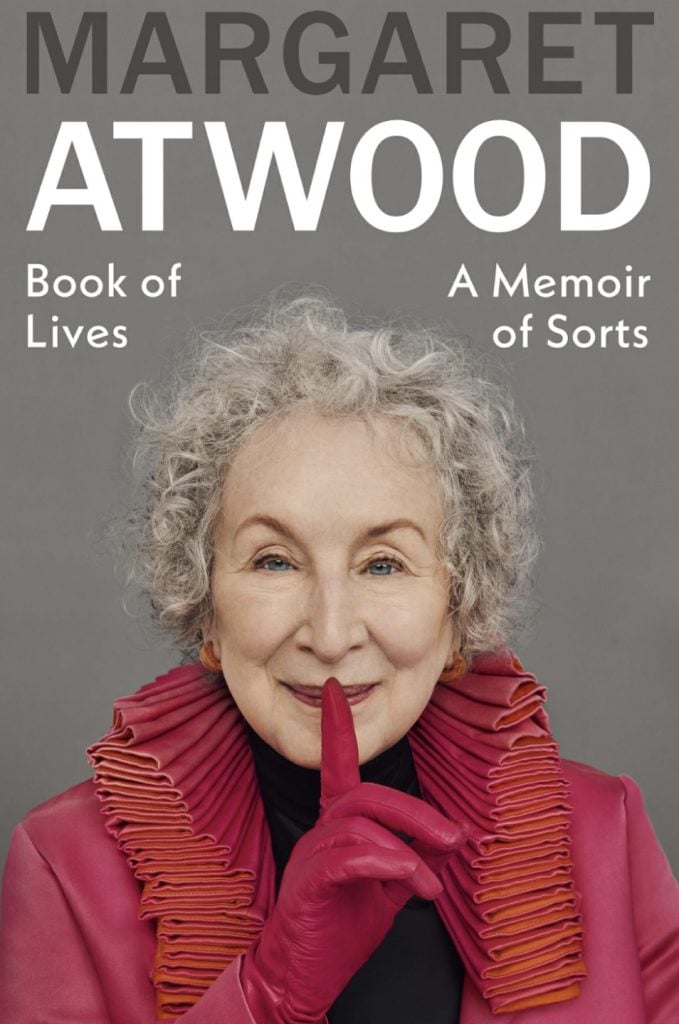
Margaret Atwood’s Book of Lives is, as the subtitle suggests, “a memoir of sorts” — and that caveat matters. This is not a linear, cradle-to-now autobiography filled with sweeping confessions. Instead, Atwood offers a mosaic of selves: child of the Canadian wilderness, ambitious young poet, literary celebrity, partner, widow, and cultural symbol.
Raised partly in the forests of northern Quebec, her early life feels formative rather than nostalgic. Nature, isolation and books shaped the sensibility that would later surface in novels like The Handmaid’s Tale. Yet Atwood resists mythologising her origins. Memory, she reminds us, is constructed and revised.
One of the book’s strongest threads is the tension between private woman and public icon. Few authors have watched their work become global political shorthand, yet Atwood writes about fame with dry detachment. She studies it almost anthropologically, amused by the expectations attached to “Margaret Atwood” the brand.
The memoir’s emotional core lies in her reflections on her long partnership with writer Graeme Gibson and his death. Here the tone deepens. Grief is not dramatised; it is observed and endured. The restraint makes it more affecting.
Throughout, writing is presented not as glamour but necessity — work, persistence, survival. Atwood’s prose remains sharp, unsentimental and laced with quiet wit. Book of Lives does not offer tidy conclusions. Instead, it suggests that a life, like a story, is layered, shifting, and never fully finished.